Although it takes courage, owning your difference gives you the opportunity to close the gap with another and create genuine human connection.


Although it takes courage, owning your difference gives you the opportunity to close the gap with another and create genuine human connection.
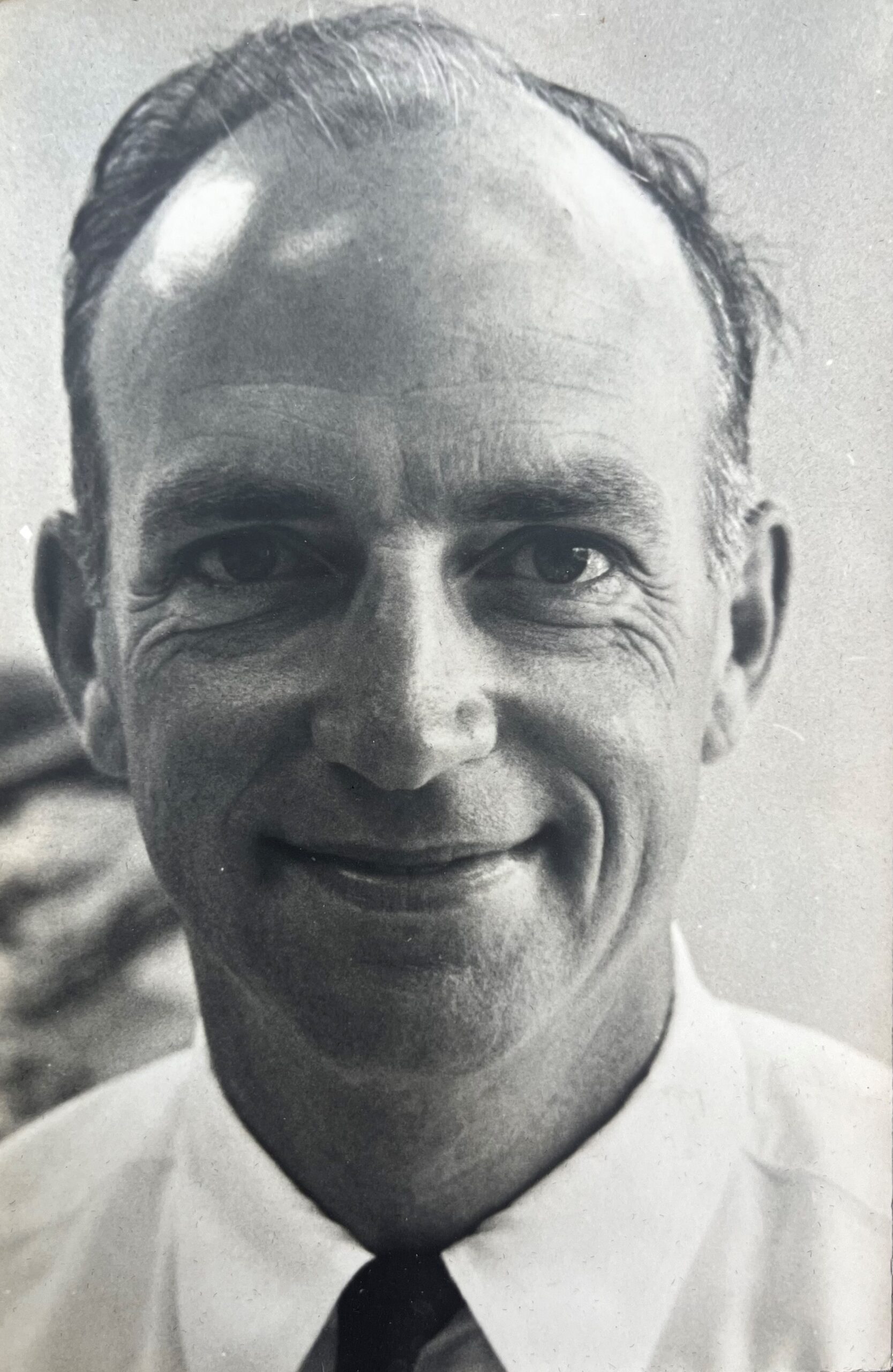
Dad’s legacy was to lean in and learn from every encounter. I’m safe because I have something to learn about the person and their experience. He showed me every person is worthy of dignity; it’s on me to learn their story.
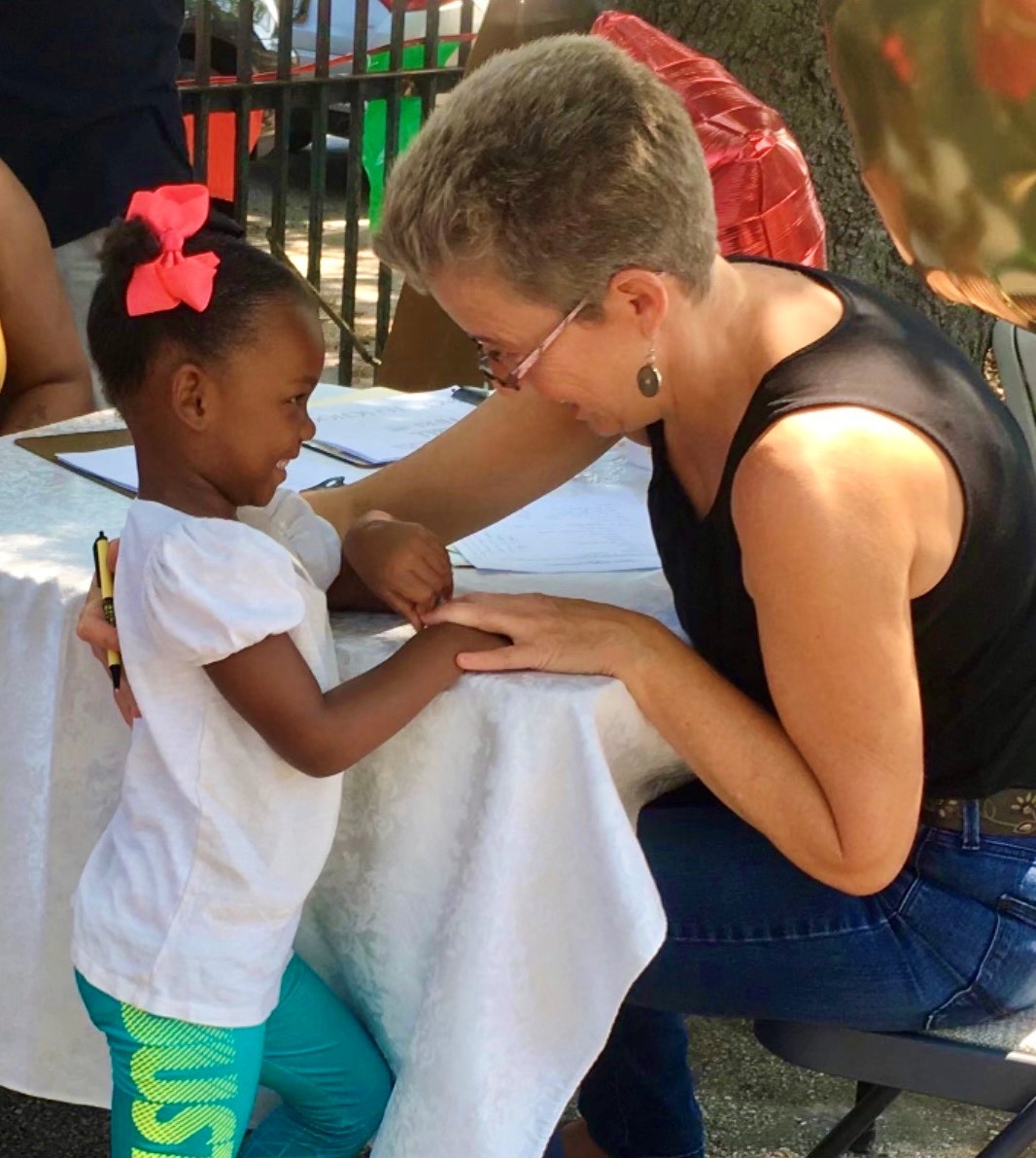
When I listen to learn, I can affirm their experience, even if it’s different from my own. Pursuing genuine human connection, I’ve discovered that both the other person and I have something to learn; we’re both changed and benefited. Letting them lead is also more productive than assuming I know the problem and the solution.

To accomplish your mission as a leader, it’s in your own and the organization’s best interests to incorporate compassion for people in their particular circumstances into your command.

To bridge the divide, don’t fixate on battle-ground issues, focus on common-ground problems and opportunities we can work on together.
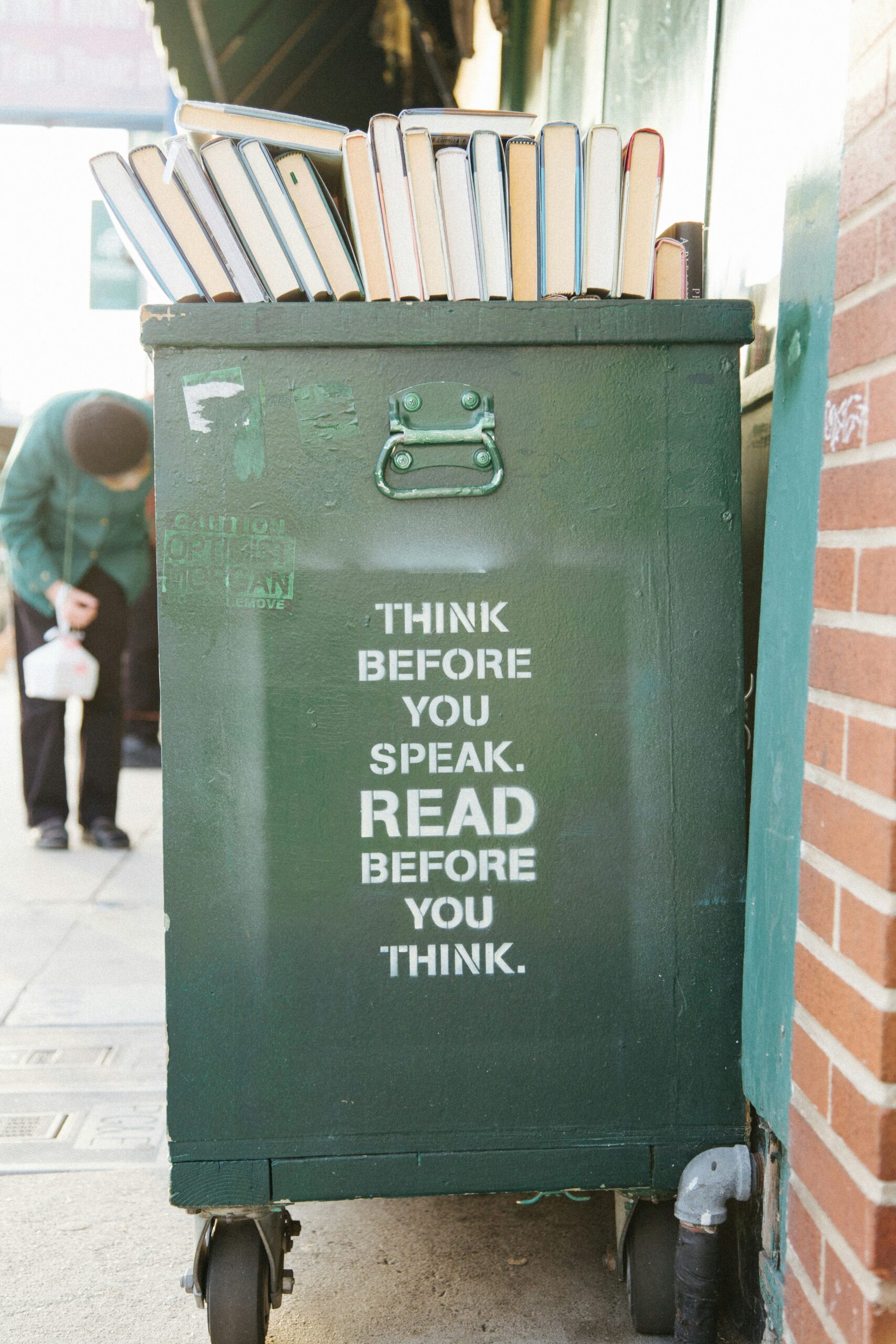
What do you think before you speak? By clicking on this poem, discover what to think before you speak and how to nourish genuine human connection.

Productivity and collaboration get dinged when conversations take a bad turn. To get from workplace drama and factions to collaborating teams, learn how to set in motion a new norm, a culturally intelligent system for communication.

This is an interview of Chief Carter, a police chief in the St. Louis metro area, who was kind enough to be an early reviewer of the course, “Awkward to Awesome: Boost Productivity, Diversity and Collaboration with Cultural Intelligence”

So often we think the other person has to change to improve our circumstances, especially with a person in a position of power. We tend to think power is top-down and comes from the outside. But cultural intelligence empowers people from the bottom-up and comes from the inside of each of us. With cultural intelligence – what enables you to accept a person as they are and communicate with genuine respect for their circumstances — you can find words to care for both them and you.
When you take a moment, minute or hour to stand in that more spacious third way, you’re in a place of grace out of which creativity, humanity and fresh ideas emerge.